OA·100 · Chapter 3 · Concept
How to talk to it
The goal: kill prompt-engineering anxiety forever. Ordering well from a chatbot = ordering well in a restaurant, and everyone already knows how.
Beat 1 · The pictureFIG 3
Beat 2 · Plain words~150
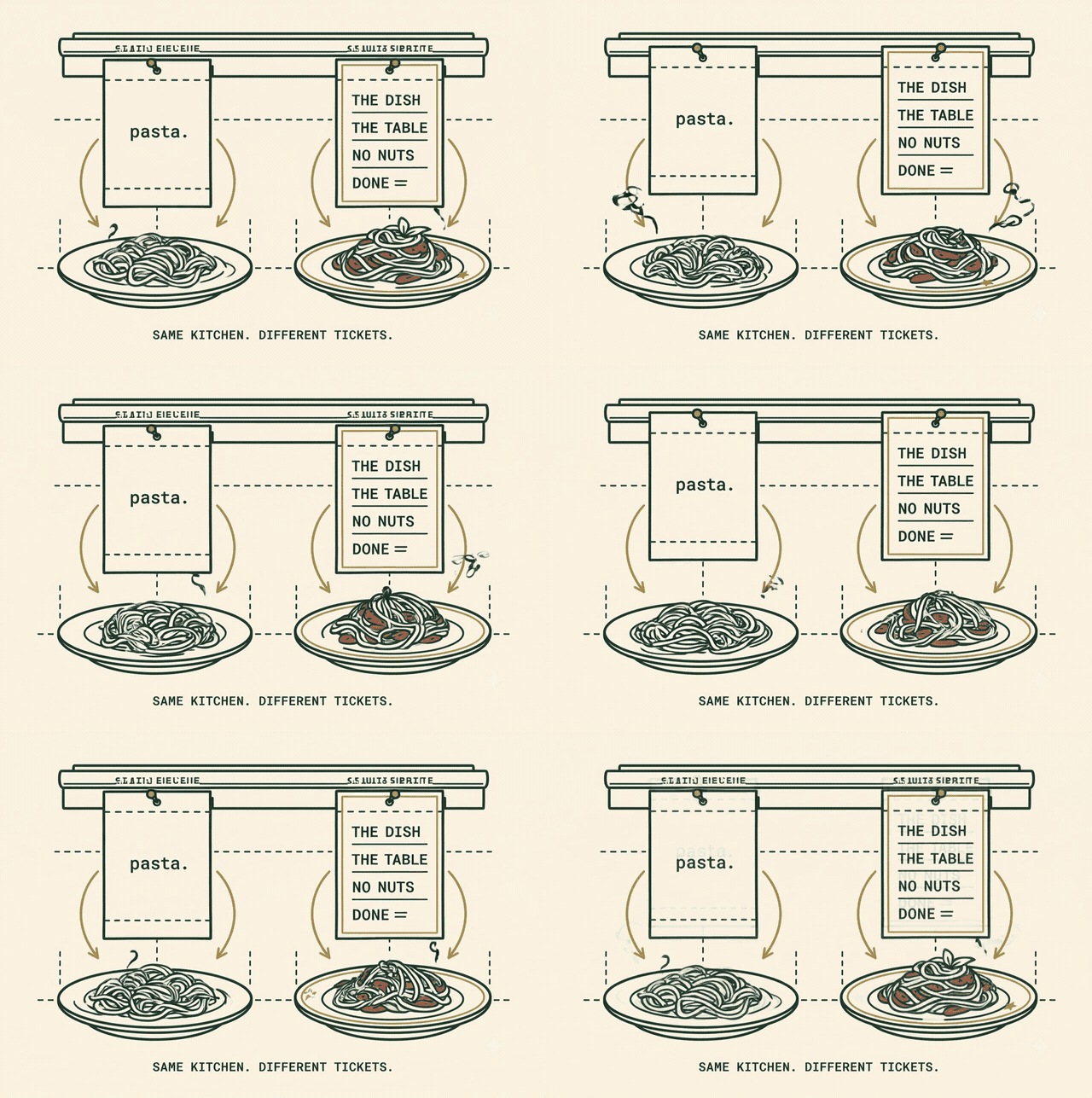
People whisper about "prompt engineering" like there's a secret handshake. There isn't. There's just the order ticket. In a kitchen, "pasta" gets you a shrug; a good ticket says the dish, the table it's going to, what to leave out, and what done looks like. A chatbot works the same way — it will happily cook something from a bare word, but it can only cook your thing if the ticket says what your thing is. Four lines, the whole trick: what you want, who it's for, what matters, what done looks like. And the part the magic-words crowd misses: you get to send it back. "Shorter." "Warmer." "That middle part, gone." The conversation is the tool — a second draft costs one sentence. Nobody perfects a ticket; good operators order, taste, and adjust.
Beat 3 · Try it~3 min · any chatbot
Two tickets, same dish. "write an email asking for a deadline extension," then the full four-line ticket. Compare plates.
Try it right here — confirm your email to use the practice chatbot.
Beat 4 · What to notice3 things
- The good version needed zero cleverness. just information a stranger would need; that's all "prompting" is.
- Specifics did all the work. it can't read your mind but absolutely reads your ticket.
- The second draft was cheap. one sentence of feedback beat five minutes of perfecting the ask.
The close
■ Chapter 3 of 4
Noticing is the skill — everything else is furniture. On to the next idea.